Praia da Ursa
4.7 / 5 Sea-Stack Cove in Sintra-Cascais Natural Park, Portugal
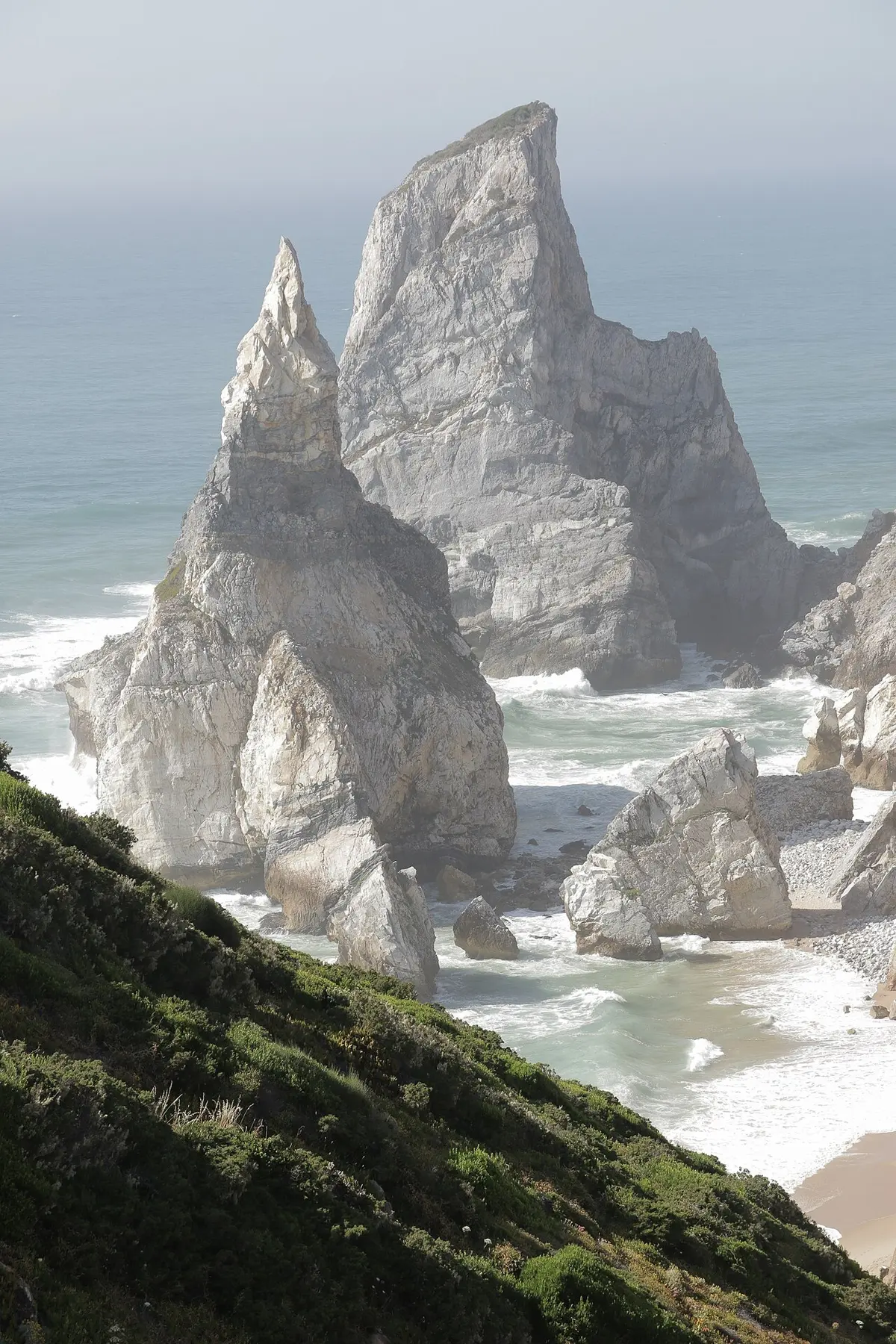
Photo: FrannyBar, CC BY-SA 4.0, via Wikimedia Commons

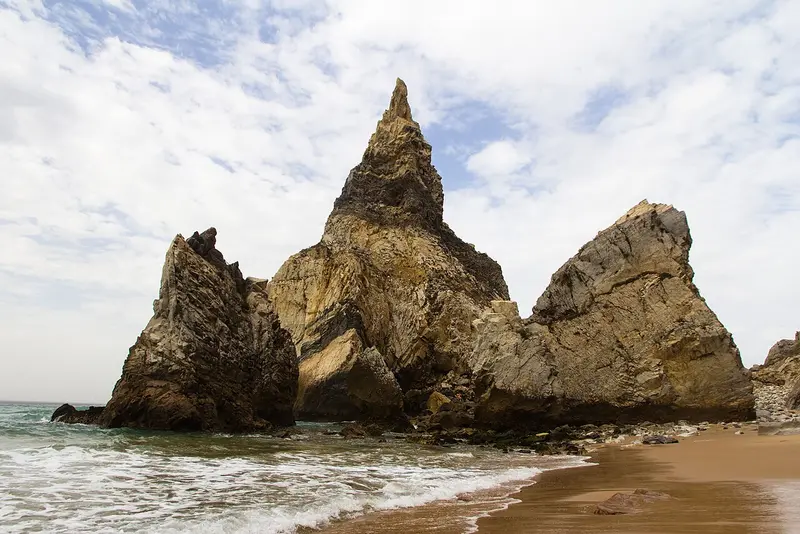
A small, wild sand cove below steep cliffs near Cabo da Roca, known for its tall rock stacks and rough Atlantic surf.
Practical info for Praia da Ursa
| Access | About 2.6 km round trip from Cabo da Roca; last 400 m steep cliff descent, no stairs |
|---|---|
| Car parking | Small lot on the cliff reached by dirt road off the Cabo da Roca road |
| Sunbeds & umbrellas | None |
| Food & drink | Nothing found; assume no facilities |
| Water shoes | Useful. Steep rocky path and rocks around the cove; sturdy shoes help. |
| Nudism | Optional. Naturists use this beach or a part of it, so clothing is not required there. Check local signs and be discreet. |
| Good to know | Not advised in rain or wind. Bring water and food. |
Last verified: October 2026. Compiled from official tourism pages, visitor guides and recent reports. Prices, fees and rules change by season, so confirm locally before you go. Details are compiled from public sources and may be out of date, so local rules and signs always take priority. EuroShores accepts no liability for errors.
Planning your visit to Praia da Ursa
Expect a hard walk in and out; start early in the day and do not underestimate the climb back.
Related guides: Best Time to Visit Each Country · Budget Beach Holidays in Europe · Best beaches in the Lisbon coast
Featured in: Unspoiled Beaches Without Sunbeds in Portugal · Best Sandy Beaches in Portugal · Best Sandy Beaches in the Lisbon coast · Unspoiled Beaches Without Sunbeds in Europe · Best Beaches in Portugal in June · Beach finder
View Praia da Ursa on the map · Compare with all beaches
Best months to visit Praia da Ursa
Most people swim at Praia da Ursa between June and September. The warmest and busiest months are July, August, when the sea sits around 17 °C. Shoulder months bring cooler water and fewer crowds, although some bars and lifeguard posts may be closed.
Average sea temperature by month (°C)
| Jan | Feb | Mar | Apr | May | Jun | Jul | Aug | Sep | Oct | Nov | Dec |
|---|---|---|---|---|---|---|---|---|---|---|---|
| 15 | 14 | 15 | 15 | 16 | 18 | 18 | 19 | 19 | 18 | 17 | 16 |
The sea stays below 21 °C all year, so expect a bracing swim even in summer, or bring a wetsuit. The warmest month is August (about 19 °C) and the coolest is February (about 14 °C).
Average sea surface temperature for 1991–2020 at the nearest offshore point, from NOAA OISST v2.1 (NOAA Physical Sciences Laboratory). Water at the shore can be a degree or two warmer in shallow, sheltered bays and cooler where winds or currents bring up cold water.
Who Praia da Ursa suits
Sand makes it comfortable for sunbathing, building sandcastles and long walks along the water line. Access is demanding, so it suits fit, well-prepared visitors; wear sturdy shoes and carry water. There are few or no facilities on the sand, so bring water, food and shade.
Getting there and nearby
Park near Azóia or Cabo da Roca and take the steep, unofficial cliff path down, which takes roughly 20 to 30 minutes and is tiring to climb back up. Use the map link above for directions. If you are planning a day around it, the closest other beaches on our list are Praia da Adraga (2 km), Praia do Magoito, Sintra (6 km), Praia do Guincho (7 km).
Frequently asked questions
When is the best time to visit Praia da Ursa?
Praia da Ursa is best visited June to September. On average the sea is warmest in August, at about 19 °C, and coolest in February, at about 14 °C. The path is steep with loose ground, and strong waves and cliff falls have caused accidents, so skip it in big swell or high tide. Wear proper shoes and bring water.
How do I get to Praia da Ursa?
Access is rated challenging. Park near Azóia or Cabo da Roca and take the steep, unofficial cliff path down, which takes roughly 20 to 30 minutes and is tiring to climb back up.
Is Praia da Ursa good for children?
Access is rated challenging, so check that it suits young children before you go. Our family guide lists easier options.
Is there parking at Praia da Ursa?
Small lot on the cliff reached by dirt road off the Cabo da Roca road. Fees and rules change, so confirm locally.
Are there sunbeds at Praia da Ursa?
None. Prices are approximate and change by season.
Do you need water shoes at Praia da Ursa?
Useful. Steep rocky path and rocks around the cove; sturdy shoes help.
Is nudism allowed at Praia da Ursa?
Optional. Naturists use this beach or a part of it, so clothing is not required there. Check local signs and be discreet.
Been to Praia da Ursa? Share a tip
Beaches near Praia da Ursa
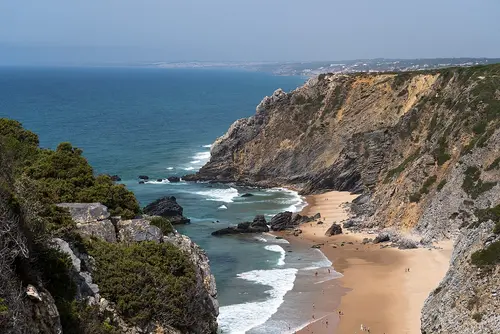
Praia da Adraga
Sintra-Cascais Natural Park, Portugal · 4.5 / 5 · 2 km away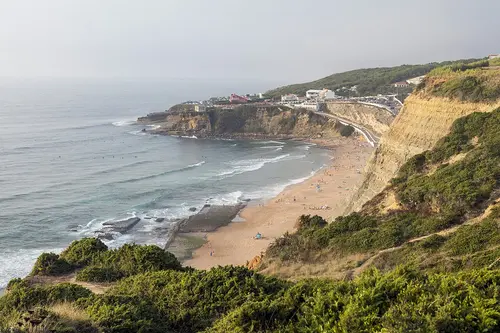
Praia do Magoito, Sintra
Magoito, Sintra, Lisbon Coast · 4.4 / 5 · 6 km away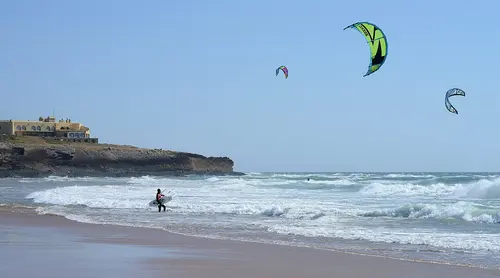
Praia do Guincho
Cascais, Portugal · 4.4 / 5 · 7 km away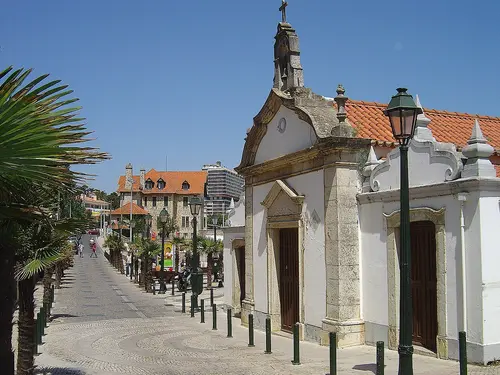
Praia da Conceicao, Cascais
Cascais, Lisbon · 4.3 / 5 · 13 km away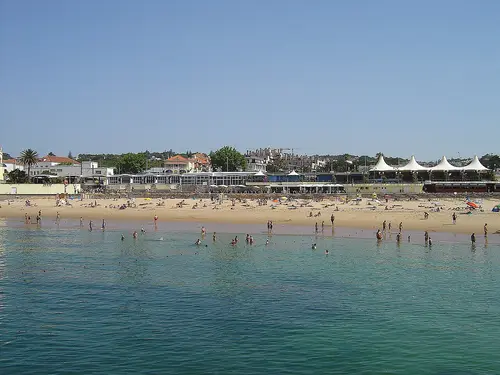
Praia do Tamariz, Estoril
Estoril, Cascais, Lisbon coast · 4.2 / 5 · 13 km away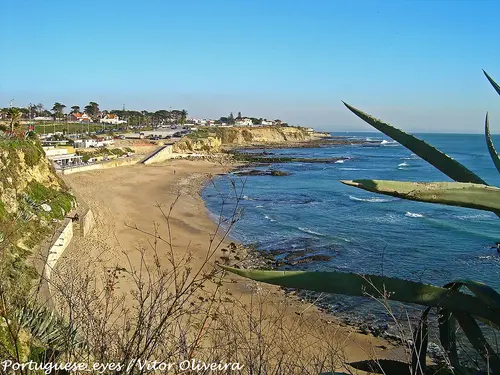
Praia de Sao Pedro do Estoril
Sao Pedro do Estoril, Cascais, Lisbon Region · 4.1 / 5 · 15 km awayBrowse all beaches in Portugal or compare every beach.
Water quality: check the official EU bathing water report and the Blue Flag programme for the current status of this beach, because classifications change every year. See our guide to checking water quality.
Scores are editorial ratings from the EuroShores team, based on public tourism and visitor sources; see how to read a rating. Last updated 2026-11-25.